

10 Florida Facts You May Not Know: It Is Weirder (and Wilder) Than You Think
Beyond the theme parks and beaches, the Sunshine State has been hiding some genuinely strange, surprising, and wonderful secrets.

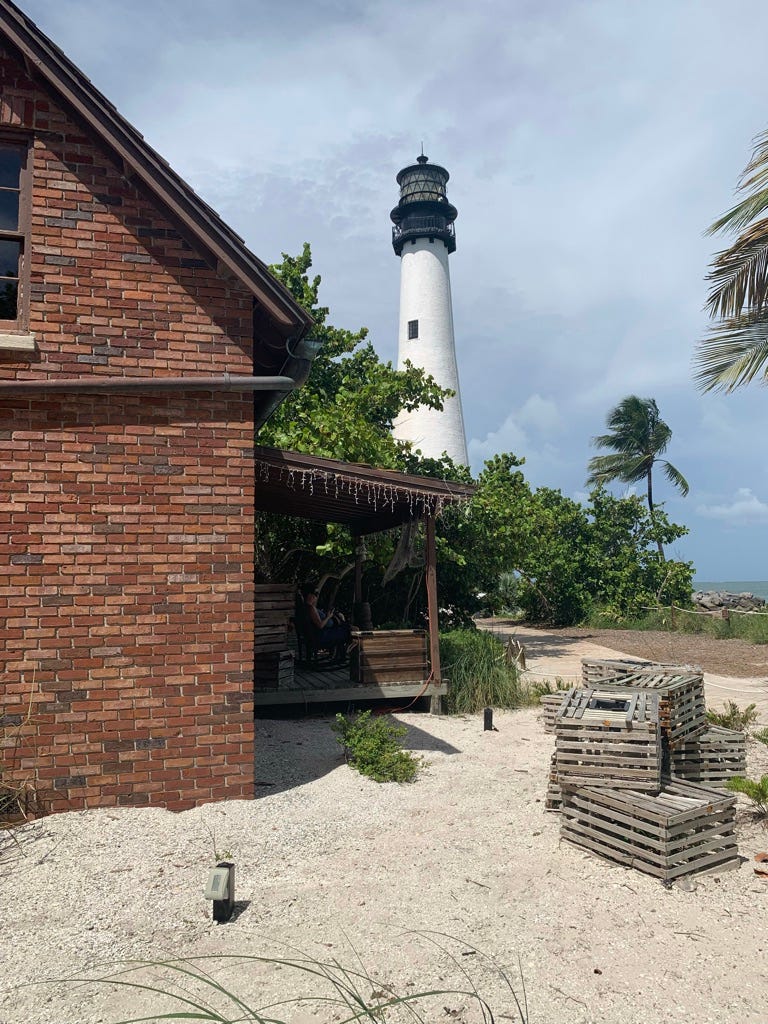
Most people think they know Florida: sunshine, retirees, alligators, and Disney World. But spend any real time here — or just dig into the history — and you’ll find a state that has been quietly one of the strangest places on the planet for centuries. Here are some of the best facts that tend to stop people cold.
Fact 1: Florida is the oldest continuously occupied European settlement in the US
St. Augustine, founded by Spanish colonists in 1565, predates Jamestown by 42 years and Plymouth Rock by 55. While most American history textbooks start the story in Virginia or Massachusetts, Florida was already a bustling colonial town before those settlements were even a plan on paper.
Fact 2: It has more tornadoes per square mile than any other US state
Florida regularly ranks first in tornado frequency per area — beating out even the famous “Tornado Alley” states like Oklahoma and Kansas. The combination of intense afternoon thunderstorms and sea-breeze collisions creates the perfect recipe. Most are small, but they’re relentless.
Fact 3: The state has more lakes than it can count
Florida officially tracks around 30,000 named lakes, but the real figure is thought to be much higher once you include sinkholes that have filled with water over time. The entire peninsula sits atop a porous limestone shelf riddled with cavities — which also explains why sinkholes can swallow houses overnight.
Fact 4: A manatee can eat up to 10% of its body weight in plants every single day
Florida is home to the largest population of West Indian manatees in the world, and these gentle giants are essentially aquatic lawnmowers. A single manatee can consume over 100 pounds of seagrass daily. Florida’s warm springs — which stay at a constant 68°F year-round — are their primary refuge in winter, making certain springs like Crystal River a manatee hotspot unlike anywhere else on earth.
Fact 5: Key West is closer to Havana than to Miami
The southernmost point of Key West sits just 90 miles from Cuba but roughly 160 miles from Miami. This proximity shaped everything — Key West was historically a Spanish and Cuban cultural hub long before it became an American one, and Cuban influence is still deeply woven into the food, architecture, and dialect of the Keys.
Fact 6: Florida once tried to give away land for free — to absolutely anyone
The 1850 Swamp and Overflowed Lands Act handed Florida over 20 million acres of wetlands from the federal government, with the goal of draining the Everglades and selling the land to settlers. It triggered one of the most catastrophic ecological engineering projects in US history — draining, developing, and ultimately threatening one of the most biodiverse ecosystems on the planet, a damage that billions of dollars are still being spent to undo today.
Fact 7: There are wild monkeys living in the forests near Silver Springs
In the 1930s, a tour boat operator named Colonel Tooey released a small group of rhesus macaques on an island in the Silver River — thinking they couldn’t swim. They could. Today, several hundred feral macaques roam the forests of central Florida, a thriving colony descended from that original release. They’re technically invasive, but at this point, they’re also just Floridians.
Fact 8: Florida is the flattest state in America — by far
Britton Hill, the state’s highest natural elevation, tops out at 345 feet above sea level in the Panhandle. For comparison, the highest point in Kansas — widely mocked as flat — is over 4,000 feet. Most of peninsular Florida sits just a few feet above sea level, which is why the state is acutely vulnerable to sea-level rise.
Fact 9: Lightning strikes Florida more than any other state
Florida is the lightning capital of North America, earning the nickname “The Lightning Capital of the World.” The Tampa Bay area in particular sees more lightning strikes per square mile than virtually anywhere else on the continent. This isn’t just trivia — it’s why Florida’s building codes, sports schedules, and beach culture are all quietly shaped around avoiding afternoon storms.
Fact 10: The Everglades flow north to south — and they’re technically a river
The Everglades are commonly described as a swamp, but they’re actually a very wide, very slow-moving river — about 60 miles wide and just a few inches deep — that flows southward from Lake Okeechobee to Florida Bay. Indigenous peoples called it “Pa-hay-okee,” meaning “grassy water.” It’s the only ecosystem of its kind on Earth and is home to 36 threatened or endangered species.
Florida rewards the curious. It’s easy to dismiss as a punchline — and yes, the Florida Man headlines are real — but underneath the strip malls and theme parks is one of the most ecologically singular, historically layered, and genuinely bizarre places in the country. If you know where to look, it never stops surprising you.
Do you have a fun Florida fact we missed? Post it in the comments!